Sunday, 25 February 2018

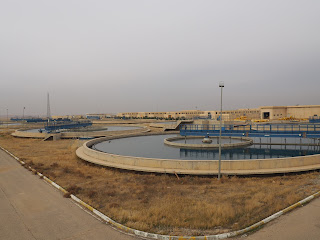
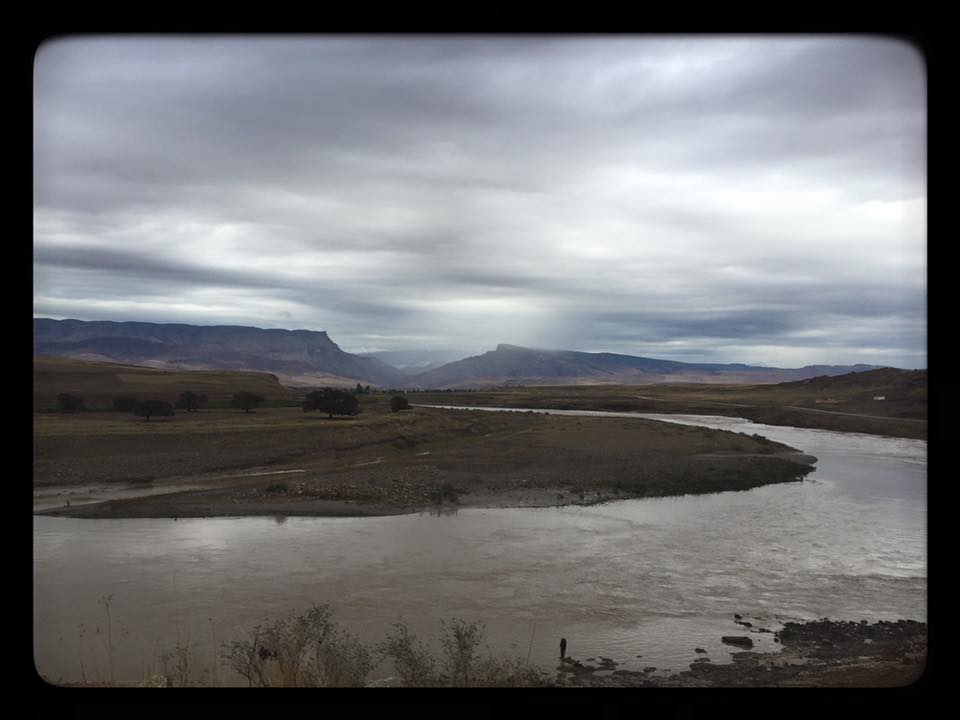
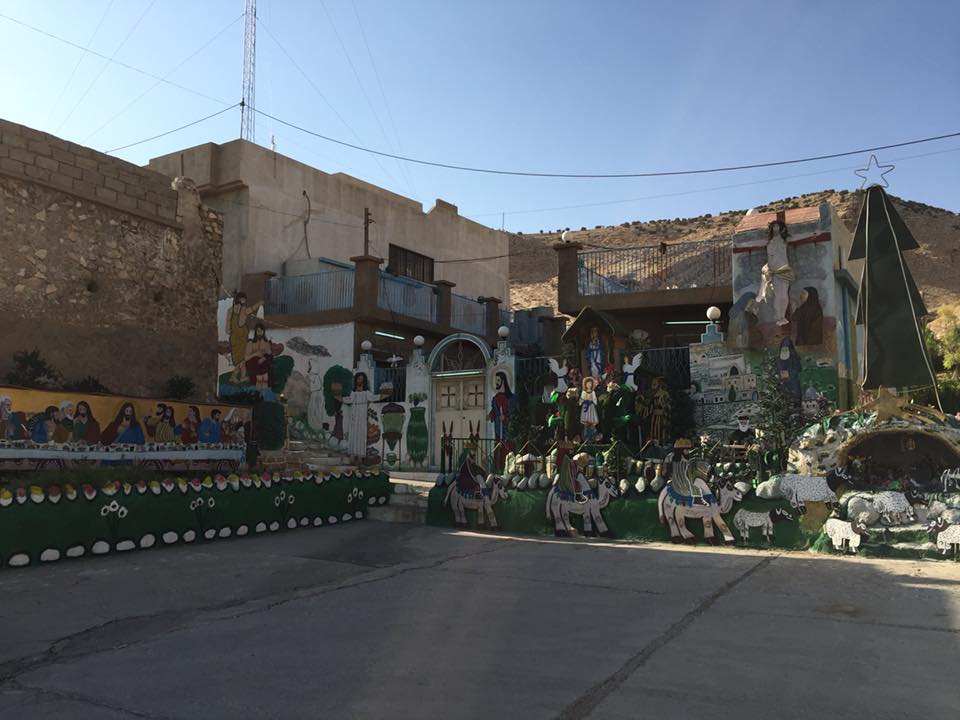
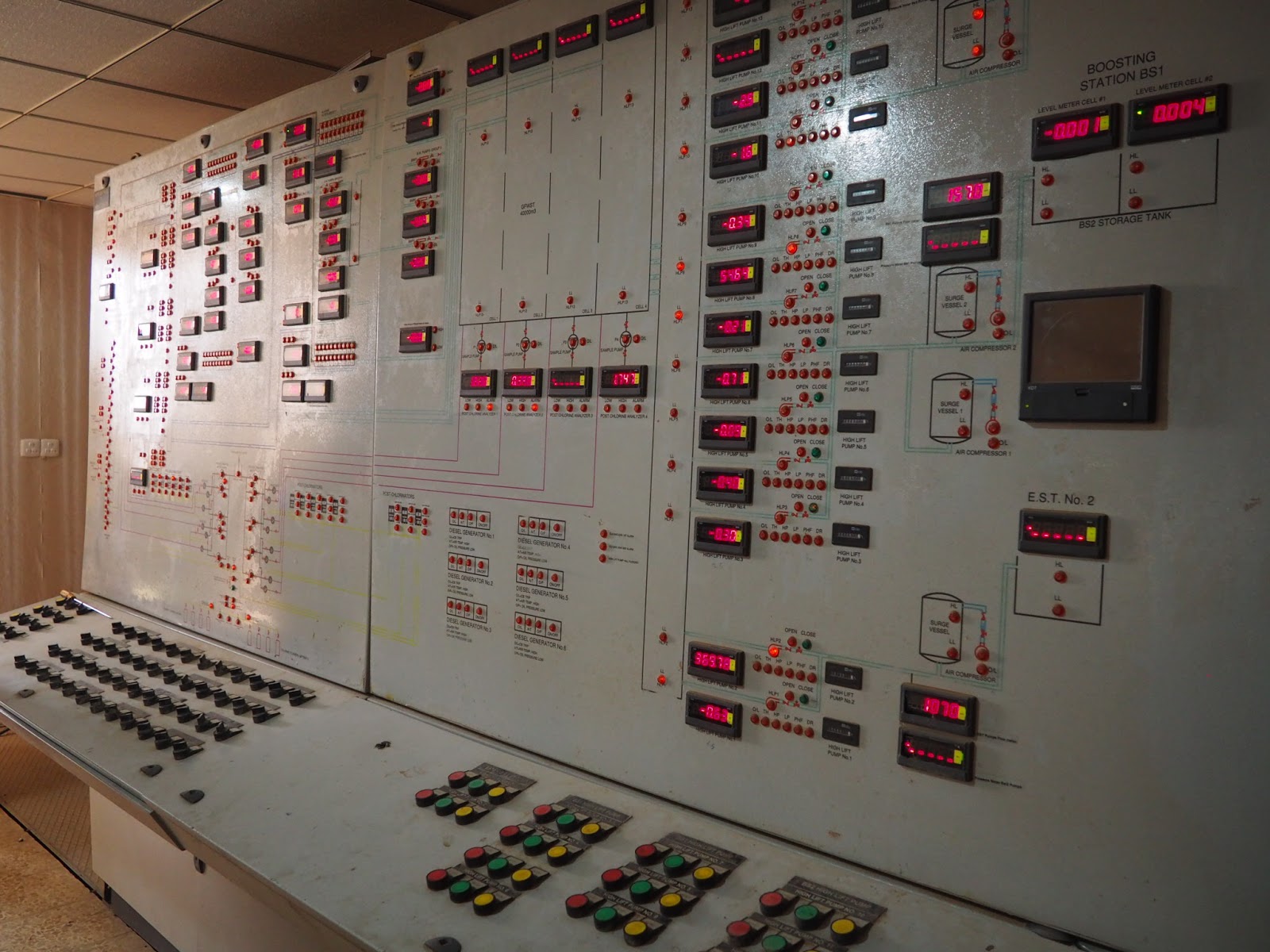
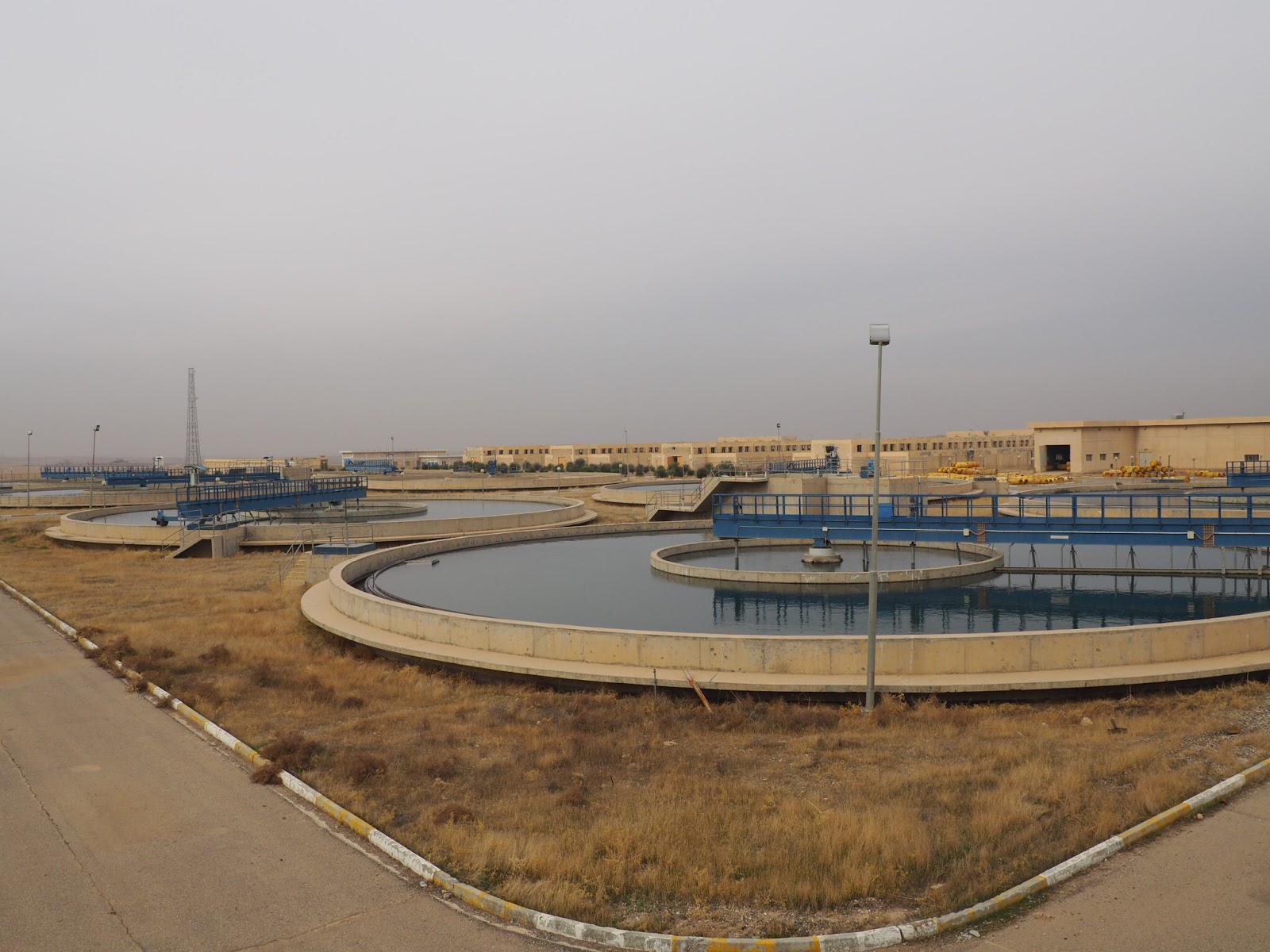
I bet you didn't think Iraq looked like this......

Some of my favourite photos that will make you question the media's portrayal of this beautiful country:


Sunday, 11 February 2018

Twenty Top Team Moments

For this blog I thought I'd put down some of my top team moments from the last years in Iraq. For those that I've worked with - it has been a joy with a lot of laughs along the way! There have been so many highs that it's been hard to choose, but here are a few:

  1. Karoake fun together in our basement in Dohuk. Somewhere I have a video of the whole team, national and expat, singing power ballads together.
  2. Tofurkey. That very special delivery for Claudia to eat for her birthday/Thanksgiving. 
  3. Sundowners on Zawa Mountain. Having a picnic takeaway on the top of a mountain, drinking beers as we watched the sun go down over the city, and listening to the call to prayer rise up. And then nearly wetting ourselves with laughter as we shared various crazy stories.
  4. An impromptu lunch picnic in the park to cheer everyone up when they haven't been able to go to their field sites all week and are sick of the four walls of the office.
  5. Team first aid drills in Dohuk - that time when Andy pretended to have collapsed for me, and everyone just walked past him and ignored him on the floor of the office. Until they decided to kick him back to life. 
  6. The 2017 end of year party for the Erbil team - what a great night of games and dancing. Introducing the team to 'bring me a...' was an absolute highlight.
  7. Making Pimms lollies when it was 50 degrees - best idea ever!
  8. Friday Fry Ups in Dohuk with the first team - all bustling around the kitchen, and then sitting in the sun with our food, easing in to the weekend.
  9. Monopoly Deal. Say no more.
  10. Team bowling and seeing Khair's very unique style :-)
  11. Going to weddings together. There's been a few, and they've all been a lot of fun.
  12. Road trips and field visits galore. I should have logged how many hours I have spent in the car - it's insane. But it's a good way to get to know your team.
  13. Various bonfire nights and pancake nights - sharing the British love.
  14. Cooking up Bertie the Boar.
  15. Christmas Day this year - my first Christmas away from home but we had a fantastic team day.
  16. Monthly birthday celebrations - something I've done in both Tearfund and DRC.
  17. Team banter, be that face to face or over skype, banter has a large part to play in why I'm still smiling 3.5 years later. 
  18. The One Year Anniversary party at the Qayyarah Airstrip Camp - celebrating with the staff who have worked so hard to make the place a home for the residents was brilliant.
  19. Our first overnight in Mosul. Only 3 of us, but what a moment to get to stay there for the first time!
  20. Lunch time pretty much every day. A few months ago I made a deal with the staff that DRC would pay for a cook's salary if they were willing to purchase a cooked lunch. So we all get a delicious and cheap lunch every day, which we eat together in our staff room.

P.S. Just for Mariam, I will mention 'Family Time'. I know she'd want me to :-) 

Wednesday, 7 February 2018

Cultural Characteristics

With only about a month left living in Iraq, I thought I would re-ignite the blogs with a few around my favourite things and memories about this wonderful country, and some of the challenges I have faced here. First up - some of my favourite cultural characteristics:


  1. Iraqi and Syrian people, of all ethnicities have a cracking sense of humour. Which is useful when you live in a country that has not been truly peaceful for many, many years. They also understand my British teasing and sarcasm which certainly helps in my quest to be a well-liked boss :-) 
  2. This is quite probably the most generous nation I have ever been to. I only have to say 'oh I like your coat/scarf/earrings/sandwich' and it is instantly offered to me. If I have run out of cash, someone will instantly buy my lunch. If I forget my wallet and I want some fruit, I can pay the fruit stall man tomorrow or the next day or whenever. 
  3. This culture is welcoming to the foreigner. Whether you are from another city, or another country you are welcomed. Whether you have been displaced by conflict or you are here to work like me, you are accepted and made to feel at home. 
  4. Old people are treated with respect and honour. They are cared for and they are included. 
  5. Meals. You don't eat alone in this country. You eat with people, and it's an event.
  6. Middle Eastern music has grown on me hugely in my time here. And particularly the local music. I love that western tastes have not taken over and people are still so proud of this aspect of their heritage.
  7. Many residential areas are built around communal gardens - outside my house is a little park which the houses surround on all sides. In the evenings the kids play football, and ladies walk around the paths. There is a gardener who tends to the flowers and keeps things nice. In my old house in Dohuk we had a similar set up, although there the garden was split in to plots. But I like this way of using outside space - people don't tend to have their own gardens - just a small patio area, but then they share these small green spaces together.
  8. Iraqi people are excellent at grieving together and celebrating together. There is a sense of putting your own awkwardness aside to enter in to other people's grief or joy, and this leads to genuine community. (I've written a whole blog on this one).
  9. Tea drinking is a huge part of life here. It doesn't really matter the time of day, if you sit down with people you will be offered chai. A small glass of strong, slightly spiced, sweet black tea. It's delicious and somehow it helps conversation to flow.
  10. Dominoes are a serious game here. It's where I have learned to play properly. It's really a man's game, and every cafe will have men playing dominoes and draughts, whilst smoking shisha and drinking tea. 

Saturday, 13 January 2018

Water

This week I finally had the opportunity to visit a project we have recently completed - I have been trying to visit for some time, but other priorities always got in the way, so I was thrilled to get there this week.

Some months ago, as Mosul was being re-taken neighbourhood, by neighbourhood, the Directorate of Water (DoW) reached out to a number of agencies requesting assistance to repair water infrastructure throughout the district of Mosul. At DRC, we have built up quite an expertise in this particular area, and I have blogged before about other water infrastructure projects we have worked on. So when the DoW approached us we agreed to work on what is commonly known as the 'New Right Bank' (NRB) water project. This is a huge water treatment and pumping station on the outskirts of west Mosul, and is the second largest station in the country. During the time of ISIS, and their defeat, it was badly damaged and was left in complete disrepair, not functioning at all. This meant that residents in west Mosul and surrounding areas were not receiving any drinkable water from their taps. In the immediate aftermath of the fighting, residents in Mosul were heavily reliant on water trucks bringing drinkable water to their locations.

One of my teams is a Water, Sanitation and Hygiene (WASH) team - think lots of loveable geeks and engineers :-) This team is then split in two - one side works on the camp, ensuring residents have access to clean water, sanitation and hygiene items and knowledge all the time. The other side works on water infrastructure projects - they are experts in the engineering and mechanics of things like pumping stations. It is this team that took on the NRB project on behalf of the government. After weeks of cleaning, repairing, installing new parts, training new government staff; we were able to hand back to them a functioning water treatment plant that pumps out 12,000,000 litres of clean drinking water an hour, up to 22 hours a day, 365 days a year. This means that residents who are returning to re-build their homes in west Mosul and the surrounding areas can turn on their taps and drink the water without fear of disease. In a country where cholera is present, this is huge.

Before I went to see the project, I knew the scale from the meetings I'd been in and the reports from the team. But seeing it and having a tour from the government manager of the station was a whole different experience. It is a feat of engineering in an area where nothing has been left untouched by war. The buildings still have blown out windows, bullet marks, rocket holes. There still aren't enough staff as it takes so long to get security approvals for staff to work in a government facility due to the recent conflict, the whole perimeter still has to be guarded by the army to ensure it's not looted or worse, and there are still some further repairs needed. But to know that our investment, coupled with the expertise of our staff, has led to so many people having access to safe drinking water is phenomenal.

NB: there are some photos below. I have captioned them, but I may not have the technical terms perfect for everything as I am not an engineer :-) But the basic process goes - intake from the river, settlement tanks to take out large particles, fast mixer with first chlorination, filtration through various grades of sand, second chlorination, pumping out to the network. The water is then tested for chlorine levels several times a day using a rapid test and once a week using a full lab test. I don't have a photo of every stage I'm afraid.

Pumps to move drinking water out in to the network

Control panel for the pumps

Rapid mixing tanks (first chlorination)

Most of the buildings are still damaged

Filtration rooms (think massive biosand filters)

Gas chlorination

Gas chlorination

Settlement tanks

Settlement tanks


Saturday, 23 December 2017

Qayyarah Airstrip Emergency Camp - One Year On

This week we had a little party in the camp to celebrate the teams' work over the last year. I can't believe what they have achieved - we started the year with a skeleton staff who had experience from working with us in some Syrian refugee camps - maybe 10 people total to open and run a camp of 3,000 tents at the time. They had to manage a camp that was still under construction and was therefore a building site with all the dangers that brings, whilst receiving sometimes hundreds of arrivals at a time (most often in the middle of the night), recruiting and training new staff members (99% of whom live in the camp), building relationships with local government, trying to understand how things like garbage disposal were managed, ensuring that they referred traumatised families for assistance, managing distributions of critical items to arriving families, agreeing basic rules of operation for the camp among all the agencies that operate in it. The list goes on and on. A year later we have a pretty slick team of about 170 staff who manage the day to day running of the camp, including all the water and sanitation facilities, and are the lead Protection team in the camp (ensuring that all residents are treated as they should be, can access services, are provided with legal assistance and psycho-social services).

So to celebrate all that they have done, I went with a crowd to host a party. We gathered all our teams for an hour or so to have speeches, eat cake and take A LOT of selfies. I have never been in so many photos in one place. But what a joy to see this incredible team take a break and celebrate together - the smiles said it all.

Here are a few interesting stats on the Qayyarah Airstrip Emergency Camp on it's first anniversary:
  • 108,512 have called the camp their home at some point. The average population at any time over the last 6 months has been around 45,000.
  • We have provided around 472 million litres of clean drinking water - equivalent to 188 olympic sized swimming pools.
  • We have collected around 15,444 metres cubed of garbage - equivalent to 137 double decker buses. 
  • There is one toilet per 27 people.
  • There are 560 registered shop keepers doing business in the camp.
Our staff are on call 24/7 for all sorts of things to ensure the camp keeps running well. Some examples are:

  • New arrivals are met at any time of day or night by the camp management staff and where-ever possible immediately allocated a tent and given critical items such as blankets.
  • We have a generator operator on call to fix the massive generator that ensures that we have street lights at night, and a very small electrical connection to all 10,000 tents - this allows people to charge phones for example.
  • We have a store keeper on call to open our on-site warehouse (very, very big tent) so that we can find spare tent parts and other critical items at any time.
  • Protection staff are on call to assist with any personal crises or to intervene with security officials where needed - for example if a resident is arrested that team will accompany the resident to ensure fair treatment.
Some photos from the party:

Fun setting up for the party

Zainab clearly cracking a joke!

Selfies, selfies, seflies

We had a few cakes with various photos from the year printed on them


Botan - my incredible Camp Manager giving a speech. 

My turn for an off the cuff speech

Listening to the speeches

Sinan my amazing Water and Sanitation manager for the camp giving a speech

Attempting a group photo

Zainab and Asia - two of our senior female staff on the camp teams. Zainab is an engineer and in charge of all infrastructure (roads, drainage, lighting etc), and Asia is in charge of all hygiene promotion (ensuring everyone knows how to prevent cholera spreading for example) - these ladies absolutely rock in what is truly a man's world.


Thursday, 7 December 2017

Slippery Slopes

Over the last few weeks and months we have had a huge turn over of expatriate staff in my programme. Not in the area that I oversee, but in our central office. As this is literally across the road from my office it has quite an impact on me too. Changing staff is a constant in our work - it's normal to only work a year or two before moving on. But we have had an exceptionally high number of people complete contracts within a short space of time, leading to lots of newbies.

One of the things this naturally leads to is many discussions where you explain how and why things have been done by the person before them; and of course people seeing things with new, fresh eyes often have ideas of how to improve things (as do internal auditors!). This is not necessarily a bad thing, but it's made me very aware of the natural defensiveness that rises up when we feel we are being criticised for work we feel has been done to the best of our collective abilities.

It has got me thinking about the incredibly fine line between defending and becoming defensive. It is important as a manager that when necessary I step up and defend my team. If I know they have worked hard, have overcome challenges, have made decisions which at that moment in time were what was best; it is hard to hear that criticised and it is my job to defend them against that. I have to be the buffer so that they can feel empowered to do their jobs. I also have to protect them, particularly the long-suffering local staff, from needless process changes. However, what a slippery slope it is to becoming defensive. Which is an ugly place to end up. It's one thing to explain the rationale behind previous decisions, but it's another to shut yourself down to any possibility of improvement or constructive criticism. Defending people and decisions, when necessary, is a good and right thing to do, but becoming defensive is just simply bad attitude. And there have been days recently where I have got so worn down by the constant questioning that I have definitely slid in to being defensive and therefore also communicating poorly.

So this has led me to thinking about how I make sure I stay on the right side of that line as much as possible. I think it has to be a daily decision to think the best of everyone, to keep an open mind, to accept that questioning how things are done is a natural part of a large change in staffing, to grow a thicker skin so that I can hear the meaning and heart behind the words without being oversensitive to the way they are delivered. I still need to be the buffer, but that doesn't mean that I dig my heels in and insist that nothing changes. Easier said than done, but I hope I'm improving!